
Affordable Homes, Cooling Centers, and a Faster Grid? Yes, Please
How 4 Companies Are Working To Bring New Technologies to Communities in Need—With Help From National Laboratory Experts

A year after the Palisades and Eaton wildfires destroyed more than 13,000 homes in Los Angeles County, fewer than a dozen had been rebuilt. Rebuilds are expensive, time-consuming work.
But what if a new technology could help homeowners rebuild faster and save money, too? Sounds good right? Right. But what if that new home is the first to use this new technology? The owner might be a bit more wary to give it a go.
That lab-to-life gap is what the Innovation Incubator, or IN2, program is designed to fill.
Originally funded by Wells Fargo and the Wells Fargo Foundation, IN2 is coadministered by the U.S. Department of Energy’s National Laboratory of the Rockies (NLR). The program pairs companies with laboratory experts to help scale their technologies from the pilot stage to real-world adoption in just six months. On May 28, 2026, four new companies earned funding through IN2’s Scalable Tech Track and will soon trial their technologies in cities, power grids, and homes across the United States.
“These organizations are eager to deploy technology,” said Sarah Derdowski, the IN2 program manager. “This funding helps end-user companies implement innovative solutions into their portfolio of buildings and campuses with expert support and siting from the lab while generating insights others can follow.”
The four companies—Habitat for Humanity of Greater Los Angeles, National Grid, WinnCompanies, and Tucson Electric Power—will receive funding from a pool of $750,000 and will collaborate with energy experts at NLR to refine and ready their technologies for broader use. For example, the laboratory’s experts can stress-test new materials, simulate how a technology might perform under specific conditions (such as heavy rain or extreme heat), and collect data to monitor how new equipment is performing in the field.
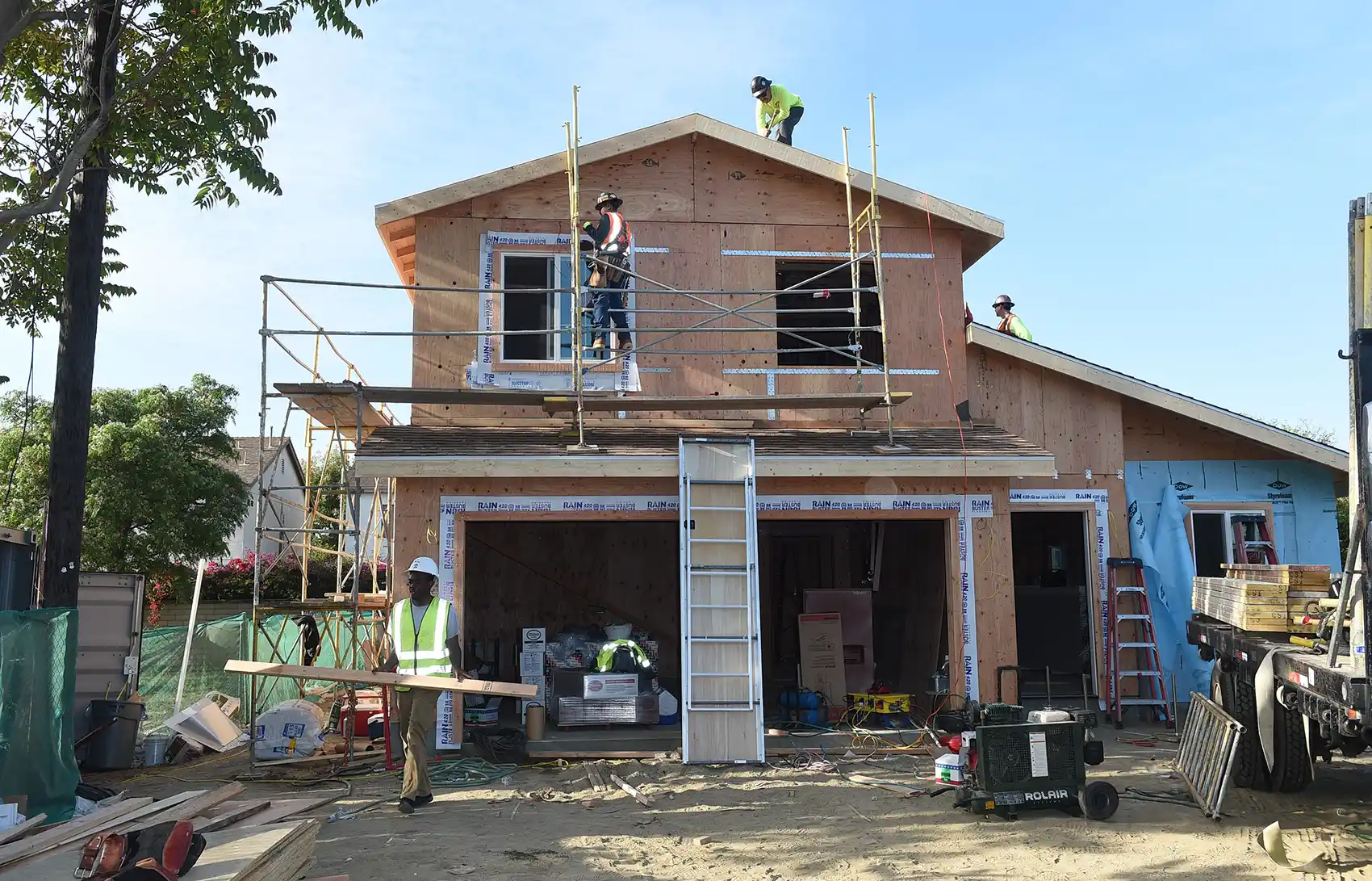
Habitat LA: Shovel-Ready Affordable Housing
In Los Angeles County, median home values have soared from just over $600,000 to more than $800,000 since 2020. In the same time frame, median incomes have increased by only a few thousand dollars. Homes are getting less affordable. Homes are also burning.
But Habitat LA hopes to help assuage the county’s affordable housing crisis—and help families rebuild homes after wildfires—by leaning on emergent automation tools. With the support of pilot funding, Habitat LA plans to integrate three technologies: an artificial intelligence (AI)-powered proptech GIS and search platform, an AI site-planning and underwriting tool, and a mobile robotic microfactory designed to help streamline the process of planning, building, and delivering new homes. Although the initiative will initially focus on supporting communities affected by wildfires, these technologies could also advance affordable housing solutions throughout Los Angeles County.
“We are proud to embrace innovative solutions that can help wildfire-impacted families return home faster and strengthen the way affordable housing is delivered across Los Angeles County,” said Erin Rank, president and CEO of Habitat for Humanity of Greater Los Angeles. “By combining emerging technology with Habitat LA’s decades of housing expertise and deep community partnerships, we have an opportunity to accelerate recovery, reduce barriers to rebuilding, and create a model that can serve communities facing housing challenges well beyond this disaster.”
If the project goes well, this new construction process could offer a low-cost, accelerated way for communities in Los Angeles County and beyond to fill housing gaps related to shortages, cost, or natural disasters. This process could also be shared with the broader Habitat network to accelerate development in other regions.
National Grid: A Quick, Low-Cost Connection: Speed to Power
National Grid provides power to more than 20 million people in Massachusetts and New York, two population-dense areas that also house some of the country’s oldest power infrastructure. That combination—increasing population density plus aging buildings—can make it challenging to add new customers to the grid. A utility, like National Grid, must first screen a location to see if it can handle the extra demand; if it cannot, that could force grid upgrades that can cost millions of dollars.
But National Grid wants to make it faster and easier to connect new customers to even highly constrained power grids—and do so without costly upgrades or disrupting service to other energy users.
For the IN2 scalable project, the utility plans to test an automated process that could help them add new customers while ensuring new demand spikes do not exceed the grid’s capacity. Researchers at NLR are critical to supporting this demand-management tool and evaluating strategies to reduce peak demand and confidence in data integrity on sensitive infrastructure.
“We’re thrilled to receive this pilot project funding,” said Bill Ryder, lead engineer at National Grid. “Through the IN2 program, we’re exploring innovative approaches to reduce energy waste and help enable faster, more reliable connections to the grid, supporting the growing energy needs of the communities we serve.”
If successful, this automated approach could help defer expensive grid upgrades without compromising service. And that could mean lower energy bills for existing customers and cost savings for connecting customers, too.
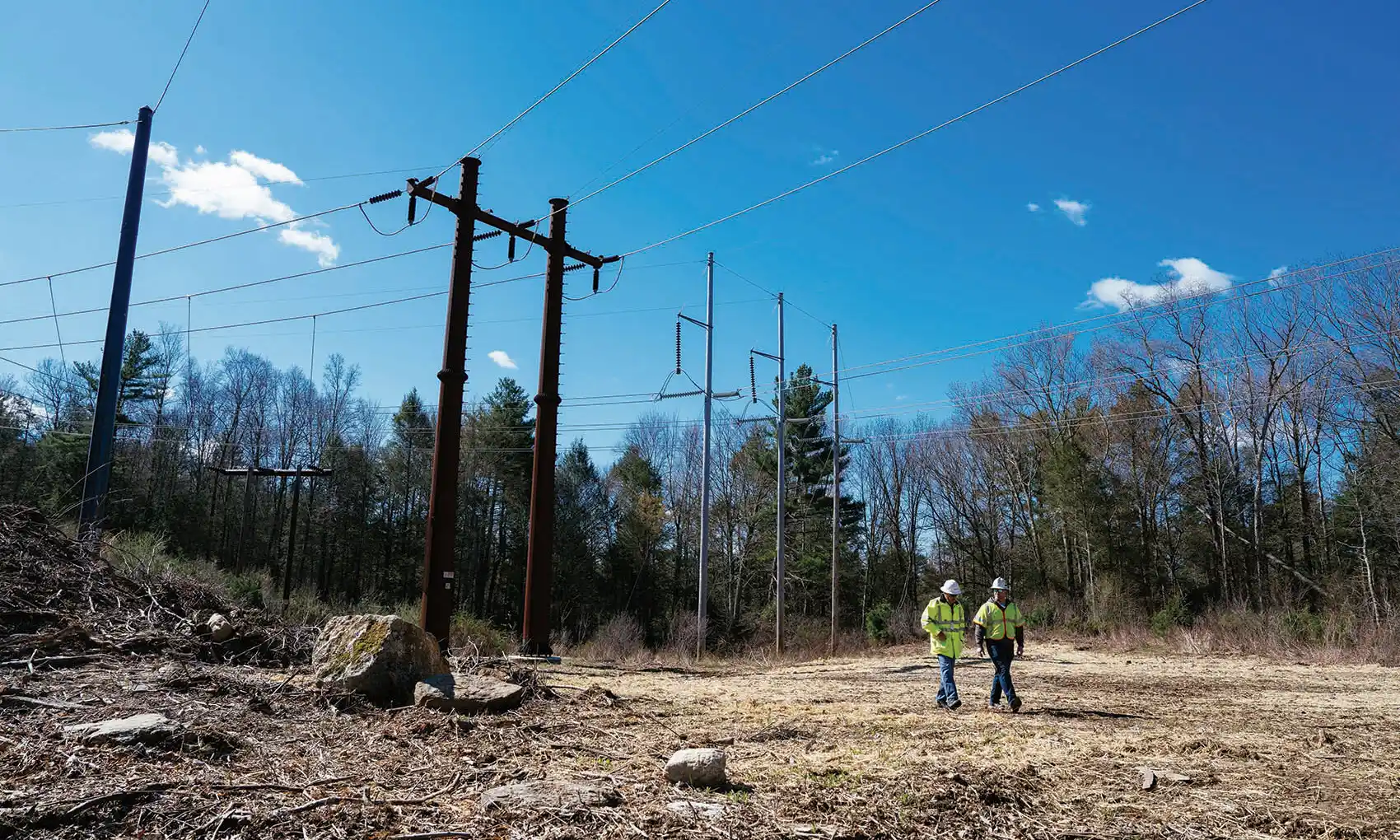
WinnCompanies: A Better Way To Warm Up
In the northeast corner of the United States, it gets cold. Energy demand—and prices—can skyrocket during the coldest months, putting pressure on all families but especially low-income families. WinnCompanies, one of the largest affordable-housing management companies in the United States, hopes to shift that financial load—by lifting the energy load.
Through its pilot project, the company plans to implement networked building controls—essentially building-wide systems that can manage how, when, and where energy flows through large, multifamily units. Such systems could help reduce energy waste and reward consumers for cutting their energy consumption during periods of high demand. According to WinnCompanies, these controlled changes could result in energy savings of between 15% and 30%.
To create its cost-saving system, WinnCompanies will lean on new data sources as well as automated controls to identify ways to optimize energy consumption across buildings. It will also lean on experts at NLR to stress-test its system and ensure it operates effectively once installed in four multifamily residences in the Northeast. These four pilot buildings could help WinnCompanies perfect its system so it can cut energy prices for even more people—and ensure military families, seniors, and other vulnerable groups do not get left out in the cold.
Tucson Electric Power: Hot Investments and Cool Customers
In Pima County, Arizona, people are dying from the heat. In 2026, 12 people had already died from heat-related causes by June, a number that surpasses the average in much of the state and even the county’s own history.
Tucson Electric Power hopes to provide some relief from that heat. The utility is partnering with the city of Tucson to build a microgrid-powered cooling center—one that could continue running even if the power grid fails. It also plans to add new technologies to the broader grid so it can better weather heat-related energy spikes, especially during heat waves when a blackout can be more than inconvenient. But such upgrades are not cheap and can be challenging to justify if they are seen exclusively as emergency stopgaps.
Through its IN2 scalable project, Tucson Electric Power aims to use AI tools to quantify additional benefits the new microgrid could afford to customers and the city. For example, a microgrid could help level out energy spikes to prevent a blackout or jump-start the grid after a blackout to ensure power returns quickly. Experts from NLR will help design an accurate digital twin—a virtual replica of the city’s grid—that the utility can use to gather data on its entire power system, including the new microgrid, to quantify economic benefits and more.
If successful, this pilot project could help Tucson Electric Power plan additional microgrid installations—and demonstrate to other hot cities there could be real benefits in investing in resilience.
Winners Are Not the Only Winning Organizations
The four winning organizations were selected by a panel of judges based on the proposed project’s potential feasibility, impact, and readiness as well as an organization’s dedication to knowledge sharing. The projects must launch within six months after selection to accelerate speed to market and solutions.
Five additional Scalable Tech Track cohort organizations may not have received funding this round, but they still earn additional support and have identified innovative technologies and sites that can make an impact on the cost, comfort, and experience of their residents, customers, or employees. The teams will join the laboratory’s Energy Champions Network where they can access insights from other organizations working to move their technologies closer to commercial success as well as energy experts at NLR. The Energy Champions Network builds up startups and organizations with implementation know-how and partnership to NLR.
Learn more about the Innovation Incubator program on the IN2 website.Last Updated April 28, 2026